Expert tips on writing, editing, and publishing your research.
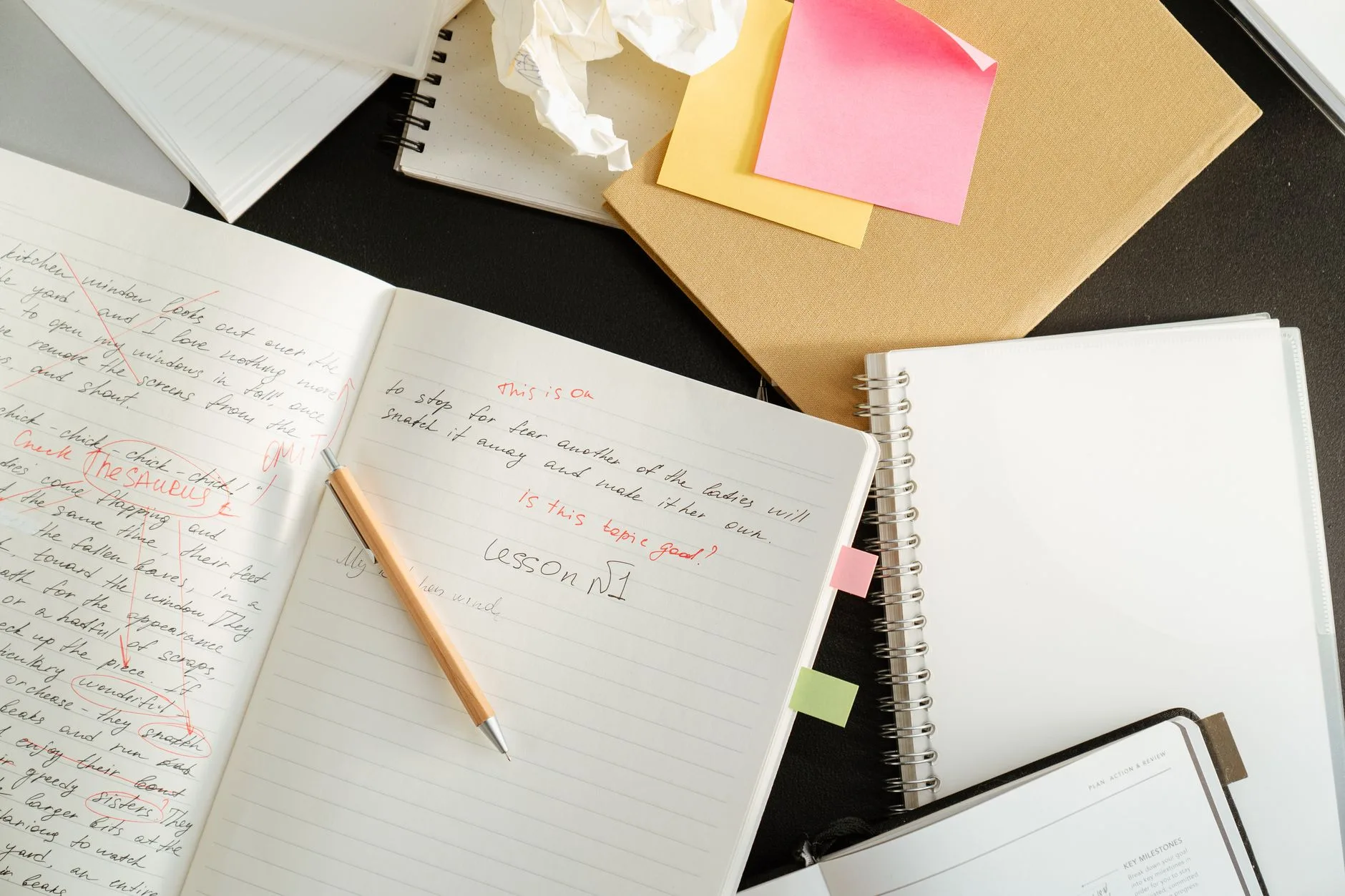
Many writers use the terms proofreading, editing, and copyediting interchangeably — but they are distinct processes with different goals. Understanding the difference helps you choose the right service for your work. This guide breaks down each stage clearly…
What academic proofreading is, what it covers, how much it costs, and how to choose a service you can trust — a complete guide for researchers…
Many students and researchers believe that replacing words with synonyms is enough to paraphrase a source — but this is one of the most common misconceptions in academic writing. True paraphrasing requires restructuring ideas, not just swapping vocabulary. This post explains how to genuinely paraphrase and protect your academic integrity…
ESL academic writers often struggle with subtle tone and register issues that go beyond grammar. Discover the most common pitfalls that create a 'native tone gap' and learn practical strategies to close it. From overly formal phrasing to hedging errors, this guide covers what matters most…
A poorly formatted table or figure can get your manuscript rejected before peer review even begins. Learn the essential rules for preparing tables and figures that meet journal standards and keep your submission moving forward…
Before you stand in front of your committee, your thesis needs to be more than just complete — it needs to be linguistically polished and professionally presented. This language readiness checklist will help you identify critical issues before your defense day. Use it to ensure your hard work is communicated as clearly and credibly as it deserves…
Your research may be groundbreaking, but poor formatting can get your manuscript rejected before a single reviewer reads it. Learn how to avoid the silent killer of good academic work and give your paper the professional presentation it deserves…
A 'language quality' rejection can be one of the most frustrating outcomes for researchers who have invested months into their study. Understanding exactly why journals reject manuscripts for language issues — and how to prevent them — can dramatically improve your chances of acceptance. Here are the five most common culprits…
Great editing is more than fixing grammar — it's a conversation. Discover why the best editors ask questions rather than simply rewriting your work, and how this approach protects your voice and strengthens your ideas…
Mixing US and UK spelling in an academic paper is one of the most common — and most avoidable — consistency errors. Learn how to choose the right variety for your audience and keep rogue spellings like 'organise' from sneaking back in…
Spellcheck keeps your spelling clean, but it cannot tell affect from effect or principal from principle. These commonly confused word pairs slip through every time. Learn how to spot them and get them right every time you write…
A poorly structured abstract can bury even the most important research. Discover the proven 7-part abstract framework that maximises discoverability, improves indexing, and compels readers to open your full paper…