Why Your Personal Statement Matters
A personal statement is more than a requirement—it's your opportunity to tell your story directly to admissions committees, scholarship panels, or potential employers. While grades and test scores show what you've achieved, your personal statement reveals who you are, why you're passionate about your field, and what makes you unique.
Many applicants underestimate the power of this single document. A compelling personal statement can be the deciding factor between acceptance and rejection, especially when candidates have similar academic credentials.
Common Personal Statement Mistakes
Even talented writers make errors that weaken their personal statements:
- Unclear messaging: Rambling narratives that don't clearly convey your core message
- Generic content: Clichéd phrases that could apply to any applicant
- Grammar and spelling errors: Careless mistakes that undermine your credibility
- Poor structure: Disorganised ideas that confuse readers
- Tone issues: Coming across as arrogant, negative, or inauthentic
- Exceeding word limits: Failing to respect specified guidelines
These mistakes are easily preventable with professional guidance.
How Professional Editing Transforms Your Statement
Clarifying Your Message
An experienced editor helps you identify your core narrative and ensures every sentence supports it. They'll ask critical questions: What is your main strength? What story best illustrates your character? What achievement are you most proud of? By answering these, your statement becomes focused and compelling.
Strengthening Your Voice
Professional editing preserves your authentic voice while making it more persuasive. Editors remove filler words, tighten sentences, and enhance flow so your personality shines through. Your statement should sound like you—just the best version of you.
Structural Improvement
A well-organised personal statement follows a logical progression that guides the reader through your story. Editors ensure your introduction hooks attention, your body develops your narrative coherently, and your conclusion reinforces your key message and demonstrates fit with the institution or programme.
Polish and Accuracy
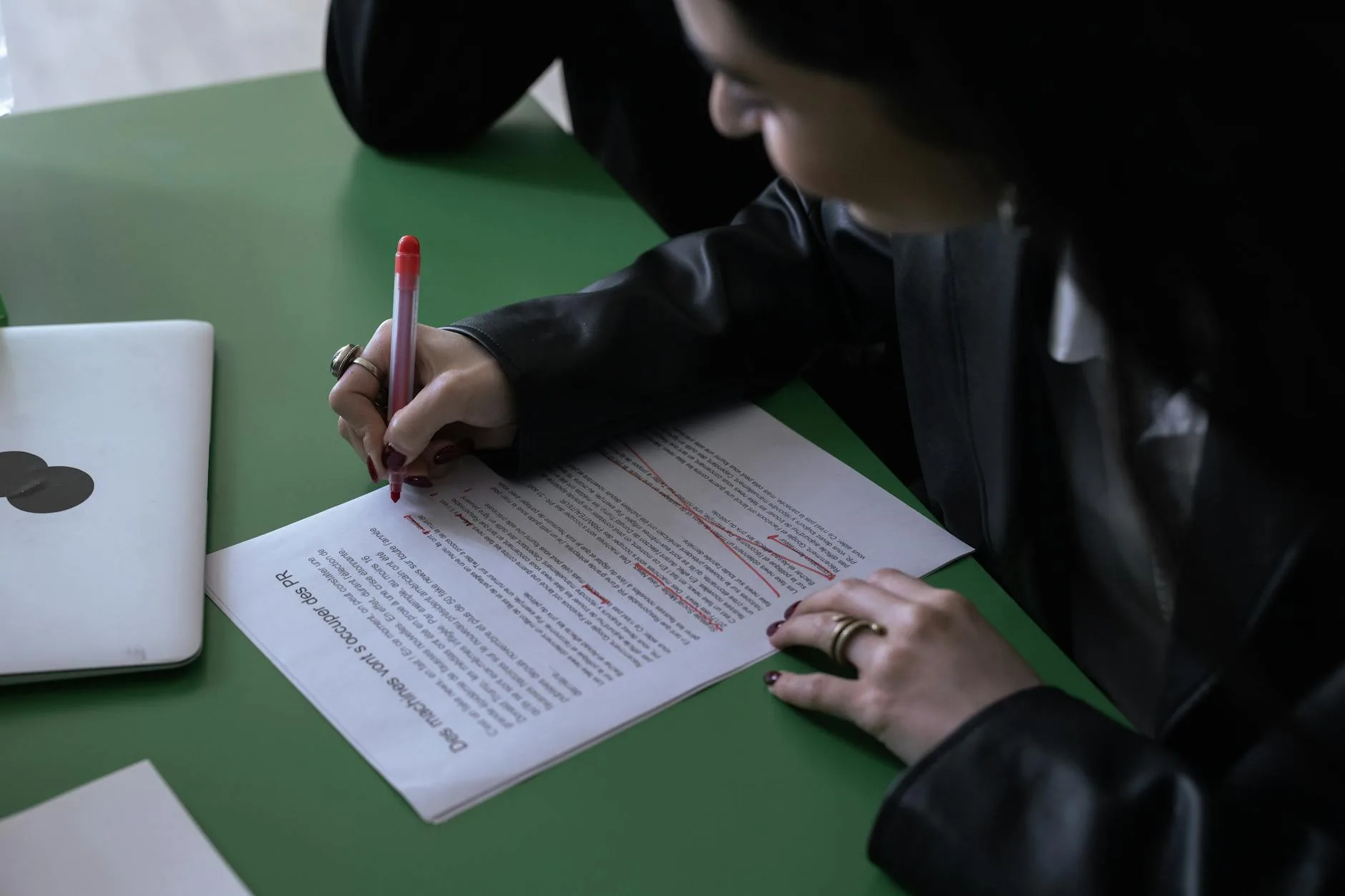
Basic Proofreading catches surface-level errors, but comprehensive editing goes deeper. It addresses grammar, punctuation, consistency, tone, and overall impact. The goal is a statement that's not just error-free but genuinely excellent.
The Difference Between Proofreading and Editing
Understanding these services helps you choose what you need:
Basic Proofreading focuses on correcting spelling, grammar, punctuation, and formatting errors. It's ideal if you're confident in your content and structure but want to eliminate mistakes.
Academic Editing goes further. Editors review content, organisation, clarity, persuasiveness, and adherence to guidelines. This service is perfect if you want comprehensive feedback to strengthen your entire statement.
For PhD applications, PhD Thesis editing expertise can be particularly valuable, as editors understand the demands and expectations of doctoral programmes.
What to Expect from Professional Editing Services
Initial Review
Professional editors conduct a thorough read-through, identifying strengths and areas for improvement. They assess your narrative, tone, clarity, and technical accuracy.
Detailed Feedback
You'll receive comprehensive comments explaining what works, what doesn't, and why. Good editors don't just mark errors—they explain how to improve your writing.
Collaborative Process
Quality editing is a conversation. Editors make suggestions, but you maintain control. You can accept, reject, or modify recommendations based on your preference.
Multiple Revisions
Many services offer revision rounds, allowing you to incorporate feedback and refine your statement further.
Tips for Working with an Editor
- Start early: Give yourself time to revise based on feedback. Don't rush this crucial document.
- Be open to feedback: Editors offer objective perspective you can't provide yourself. Consider their suggestions seriously.
- Share guidelines: Provide word limits, prompts, and requirements so your editor ensures compliance.
- Be specific about concerns: If you're worried about particular sections or aspects, let your editor know.
- Review suggestions carefully: Take time to understand recommended changes before accepting them.
Investment in Your Future
Professional editing and proofreading services represent an investment in your application success. The cost is modest compared to the potential impact—improved chances of acceptance, scholarships, or desirable placements. Many programmes you're applying to are highly competitive. Every advantage matters.
Your personal statement deserves the same care and attention you've devoted to studying for entrance exams or maintaining your GPA. Professional editing ensures your hard work shines through clearly and persuasively.
Getting Started
If you're serious about strengthening your personal statement, consider professional editing services. Many platforms offer specialised support, whether you need comprehensive Academic Editing or focused Basic Proofreading. Some even offer Rush Delivery options if you're working within tight timelines.
Your personal statement is your voice. Make sure it's heard at its best.