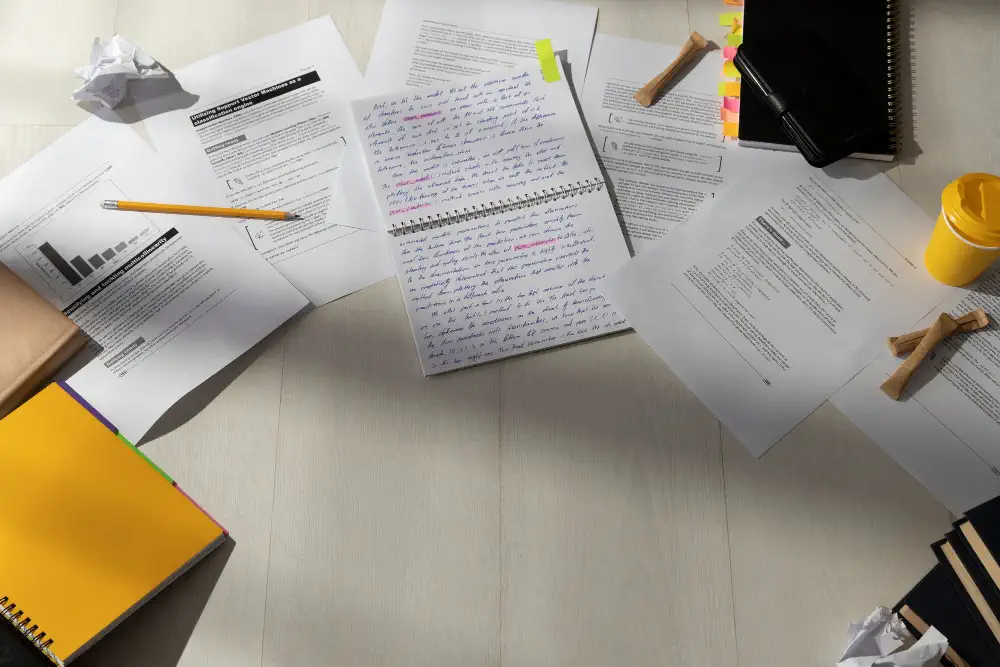
Article Proofreading: Your Complete Guide to Error-Free Writing
Publishing an article requires more than just compelling ideas and solid research. The difference between a professional, polished piece and one that undermines your credibility often comes down to proofreading. Whether you're submitting to an academic journal, publishing on a blog, or sharing research findings, meticulous proofreading ensures your message shines without distracting errors.
In this guide, we'll explore what proofreading involves, why it matters, and how to develop a systematic approach to catching errors before publication.
What is Article Proofreading?
Proofreading is the final step in the writing process, focused on identifying and correcting surface-level errors such as typos, grammar mistakes, punctuation issues, and inconsistencies in formatting. Unlike editing, which addresses structure and content clarity, proofreading zooms in on the mechanics of language.
For articles specifically, proofreading ensures that every sentence flows correctly, citations are properly formatted, and no spelling errors slip through. It's the quality control checkpoint that separates publishable work from work that needs refinement.
Why Article Proofreading Matters
Maintains Credibility
Readers form judgments quickly. A single spelling error or grammatical mistake in the opening paragraph can make readers question the reliability of your entire article. In academic and professional contexts, this is particularly damaging.
Improves Readability
Errors interrupt the reading flow. When readers encounter mistakes, they pause, re-read, or become confused. Eliminating these friction points keeps your audience engaged with your ideas rather than distracted by poor presentation.
Enhances SEO Performance
If you're publishing online, clean, error-free content performs better in search rankings. Search engines and readability algorithms favor well-written, professionally presented content.
Common Errors to Watch For
Spelling and Typos
Beyond obvious misspellings, watch for commonly confused words: their/there/they're, your/you're, its/it's. Spell-check tools miss these context-dependent errors consistently.
Grammar and Punctuation
Subject-verb agreement, misplaced modifiers, comma splices, and semicolon misuse are frequent culprits. Run-on sentences and sentence fragments are also easy to overlook when you're familiar with your own writing.
Formatting Inconsistencies
Inconsistent spacing, heading styles, or capitalization can make articles appear unprofessional. If you're required to follow specific formatting standards like APA, MLA, or Chicago style, inconsistencies are especially problematic. Formatting services can ensure complete compliance with required standards.
Citation Errors
Incorrect citations undermine academic integrity and credibility. Verify that all sources are properly cited and that your reference list is complete and correctly formatted.
Develop Your Proofreading Strategy
Step 1: Take a Break
After finishing your article, step away for at least a few hours—ideally overnight. Fresh eyes catch errors that familiarity masks. You know what you intended to write, which makes it harder to spot what actually appears on the page.
Step 2: Read Aloud
Reading your article aloud engages different cognitive pathways than silent reading. You'll catch awkward phrasing, repetitive words, and rhythm problems that visual scanning might miss.
Step 3: Use Tools Strategically
Spell-check and grammar tools like Grammarly or Hemingway Editor catch obvious errors, but they're not infallible. Use them as a first pass, not a replacement for human review.
Step 4: Proofread Multiple Times
Don't try to catch everything in one pass. Dedicate separate reads to different error categories: one pass for spelling, another for grammar, another for consistency. This focused approach prevents attention fatigue.
Step 5: Focus on Your Problem Areas
Everyone has writing weaknesses. If you consistently struggle with commas, dedicate a pass specifically to comma usage. Knowing your tendencies helps you catch likely errors more efficiently.
When to Consider Professional Help
While self-proofreading is valuable, professional proofreading offers advantages that personal effort cannot always match. If your article is:
- Being submitted to a competitive publication or journal
- Critical to your academic or professional reputation
- Complex with extensive citations
- In a field where precision is paramount (medical, legal, scientific)
- Requiring adherence to specific style guides
Professional services become invaluable. Basic Proofreading services catch surface errors efficiently, while Academic Editing combines proofreading with deeper structural feedback. For articles with rigorous formatting requirements, specialized Formatting (APA/MLA/Chicago) services ensure complete compliance. If you're working against tight deadlines, Rush Delivery options are available without sacrificing quality.
Proofreading for Different Article Types
Academic Articles
Academic pieces demand flawless citations, proper terminology usage, and technical accuracy. The stakes are high—publication depends on it.
Blog Articles
While slightly more forgiving than academic work, blog articles still require polish. Errors undermine your authority and expertise in your field.
Journal Submissions
Journal editors expect perfection. Submit error-free work to maximize your chances of acceptance and avoid desk rejections.
Final Thoughts
Article proofreading isn't just about perfection—it's about respect: respecting your readers' time, your publication's standards, and your own credibility. Implement these strategies consistently, and you'll develop an eye for errors that others miss. When stakes are high or time is tight, professional proofreading services provide the expertise and fresh perspective that takes your article from good to publication-ready.