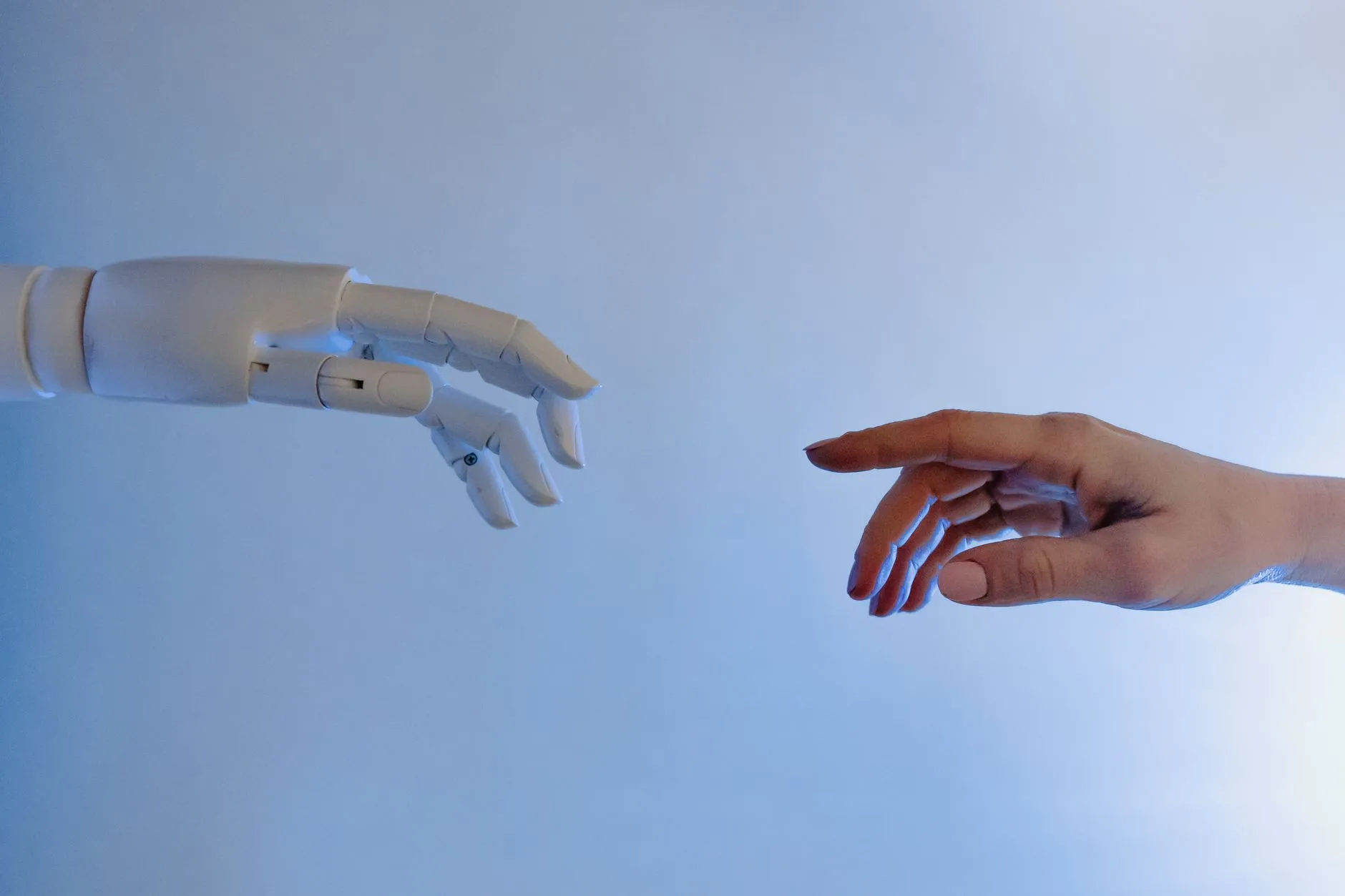
AI vs. Human Academic Editing in 2026: Which Is Better for Journal Submission?
The editing landscape has changed dramatically over the past few years. AI writing and editing tools are now embedded in researchers' daily workflows — checking grammar, suggesting rewrites, and even restructuring arguments at the click of a button. But when the goal is journal submission, the question is no longer simply can AI edit your paper? It's should it?
This post gives you an honest, practical comparison to help you make the right choice for your manuscript.
What AI Editing Tools Do Well
AI tools have made genuine progress. In 2026, the best of them can reliably handle:
- Surface-level grammar and spelling: Catching typos, subject-verb disagreements, and punctuation errors quickly and consistently.
- Sentence-level clarity: Flagging overly long or tangled sentences and suggesting shorter alternatives.
- Style consistency: Detecting US vs. UK spelling switches, inconsistent hyphenation, and repeated word patterns.
- Speed: A 7,000-word manuscript can be processed in seconds — genuinely useful when a deadline is hours away.
- Cost: Subscription-based AI tools are affordable and accessible to researchers at all career stages.
For early drafts, self-editing passes, or quick pre-submission checks, AI tools add real value. They function well as a first filter — catching the obvious errors before a human ever reads the text.
Where AI Editing Falls Short for Journal Submission
Here is where the comparison becomes critical. Journals don't just evaluate correctness — they evaluate quality of scholarly communication. That's a much higher bar, and it's where AI consistently struggles.
1. Disciplinary Nuance and Terminology
Academic writing is domain-specific. A term that is correct in molecular biology may be subtly wrong in biochemistry. AI tools are trained on broad corpora and often miss the fine distinctions that define rigorous scholarship. A human expert editor, familiar with your field, understands when a term carries methodological implications — and when substituting it could misrepresent your findings.
2. Argument Structure and Logical Flow
Journals reject papers not only for grammatical errors but for unclear reasoning, weak transitions between sections, and poorly positioned claims. AI can tell you a sentence is grammatically correct; it cannot reliably tell you that your discussion section contradicts a claim made in your introduction. Human editors read for coherence and logic, not just syntax.
3. Tone, Register, and Academic Voice
The hallmarks of strong academic English — appropriate hedging, precise attribution, formal but accessible register — are genuinely difficult for AI to calibrate. This is especially important for non-native English speakers, whose manuscripts often require more than mechanical correction. As discussed in our post on common ESL academic writing mistakes, tonal and register issues are among the hardest to detect without human judgement.
4. Reviewer and Journal Expectations
Experienced editors who work in academic publishing understand what peer reviewers look for — and what triggers desk rejection. They can advise on framing, flag gaps in your literature engagement, or spot a methods section that needs expansion. No AI tool currently replicates this layer of editorial insight.
The Real Risk: Looking Polished but Reading Poorly
One of the most dangerous outcomes of relying solely on AI editing is producing a manuscript that looks clean but reads poorly at a scholarly level. Reviewers are experienced academics. They notice when language is overly generic, when hedges are missing, or when the argument doesn't hold together — even if every sentence is grammatically sound. Peer reviewers flagging "language needs improvement" is a common resubmission note that AI-only editing rarely prevents.
If your manuscript has received that feedback before, our guide on what reviewers mean by "language needs improvement" walks you through exactly what to address.
The Smartest Approach: Use Both, in the Right Order
The most effective workflow in 2026 isn't AI or human — it's AI then human.
- Use AI tools for your own self-editing passes during drafting. Let them catch obvious errors early and help you simplify tangled prose.
- Submit to a human editor once your draft is complete. This is the stage where scholarly quality, argument strength, and disciplinary accuracy are refined.
This approach is both cost-effective and thorough. You arrive at professional editing with a cleaner draft, which allows the human editor to focus on higher-order concerns — exactly where their expertise adds the most value.
Choosing the Right Human Editing Service
Not all human editing services are equal. For journal submission, you need an editor with genuine subject-area knowledge and experience with academic publishing norms. Our Academic Editing service pairs your manuscript with a qualified editor in your field, covering everything from argument clarity and academic tone to sentence-level language — giving your paper the best possible chance at peer review.
If your submission window is tight, Rush Delivery ensures you don't have to choose between speed and quality. And if you're preparing a longer scholarly work, our PhD Thesis editing service provides the same standard of expert review for full dissertations.
Final Verdict
AI editing tools are powerful, genuinely useful, and worth incorporating into your writing process. But for journal submission — where the stakes include your research reputation, your publication timeline, and the integrity of your findings — human editing remains the gold standard. Use AI to draft smarter. Trust humans to edit for publication.