The Paraphrasing Myth That Puts Your Work at Risk
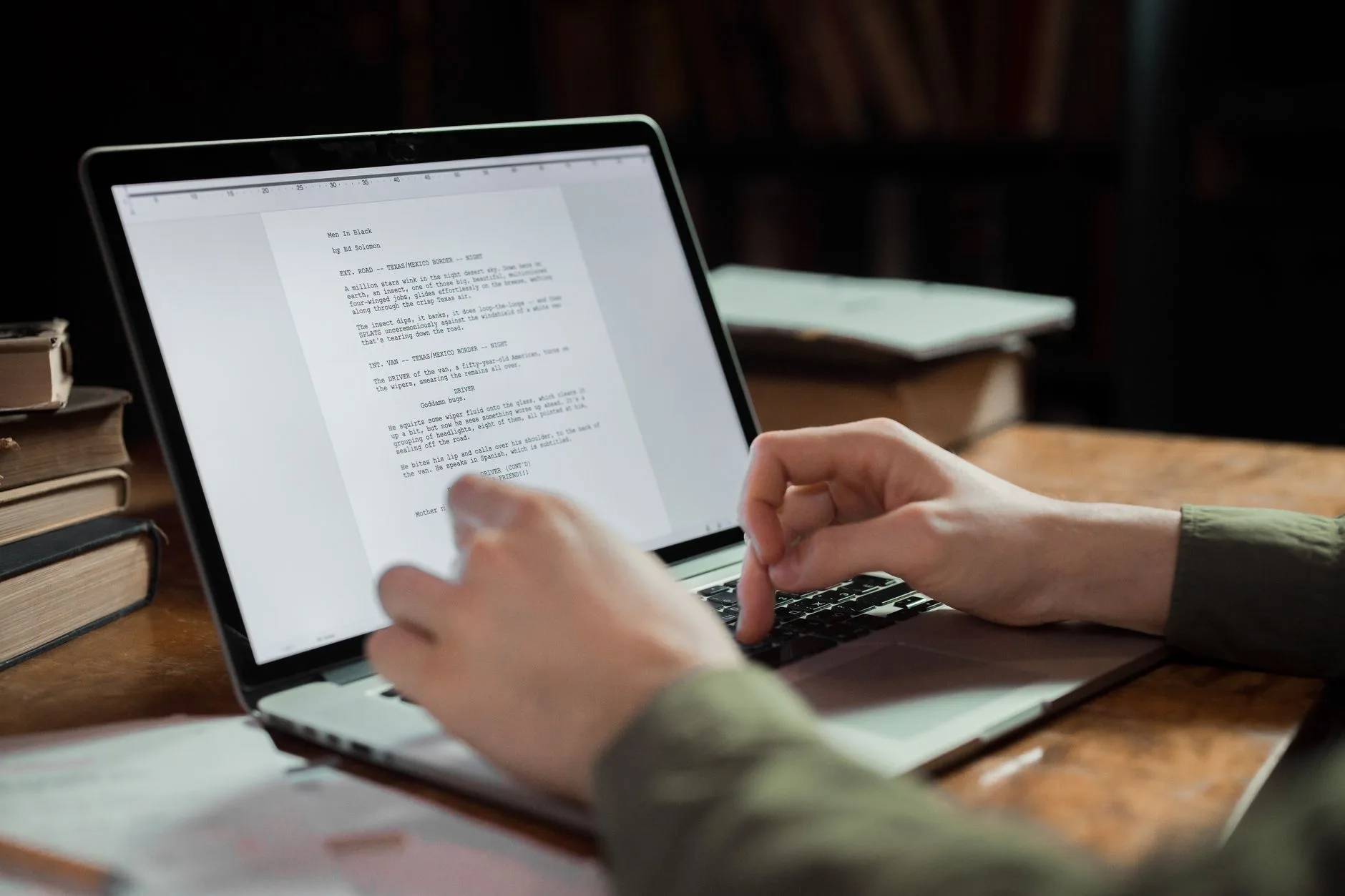
One of the most common mistakes in academic writing is assuming that swapping out a few words for their synonyms counts as paraphrasing. It does not. Synonym substitution — replacing "significant" with "considerable" or "research" with "investigation" — leaves the sentence structure, logic, and phrasing essentially intact. Plagiarism detection tools are sophisticated enough to recognise this pattern, and so are experienced academic reviewers. If your paper relies on this technique, you may be facing a similarity risk without even realising it.
Understanding why synonym-swapping fails is the first step toward learning how to paraphrase properly — and how to engage with your sources in a way that genuinely reflects your own thinking.
Why Synonym Swapping Fails
Detection Tools See Through It
Modern plagiarism detection software does not simply look for matching strings of text. Algorithms used by platforms like Turnitin analyse sentence structure, syntactic patterns, and even the sequence of ideas. A sentence that mirrors the original source's construction — even with different vocabulary — will often still trigger a similarity flag. Running a Plagiarism Check on your work before submission is highly recommended, but only if your rewriting goes beyond surface-level word replacement.
It Does Not Demonstrate Understanding
Academic writing is not just about avoiding plagiarism — it is about demonstrating that you have understood, processed, and critically engaged with your sources. When you simply substitute synonyms, you are not showing comprehension; you are showing the absence of it. Supervisors, peer reviewers, and examiners can recognise when a writer is hiding behind altered vocabulary rather than presenting genuine insight.
What True Paraphrasing Actually Looks Like
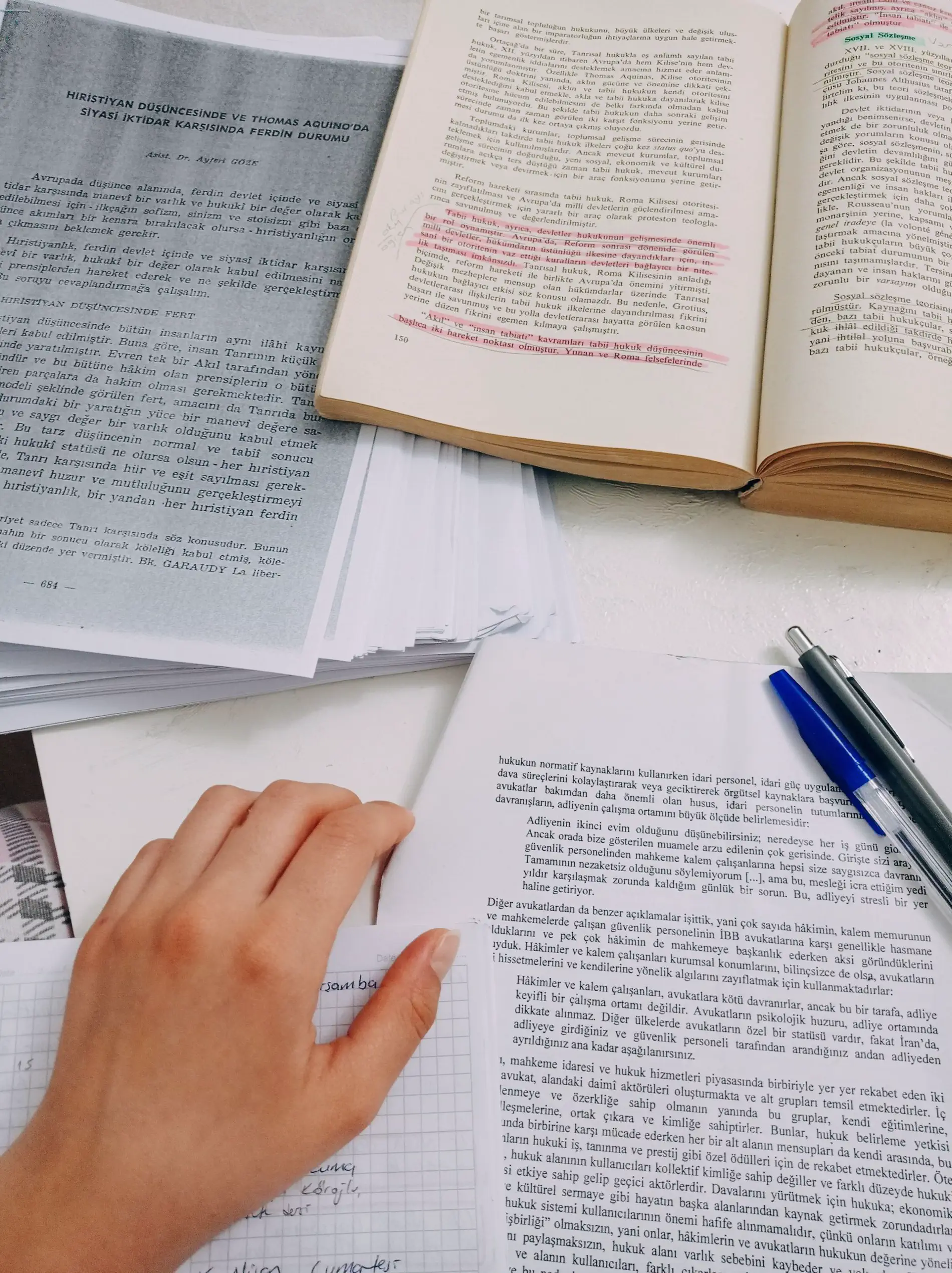
Effective paraphrasing involves a complete reconstruction of the original idea using your own language and sentence structure. Here is a reliable process to follow:
- Read the source carefully until you understand the core idea being expressed.
- Close or set aside the source so you are not tempted to follow its wording.
- Write the idea in your own words from memory, focusing on meaning rather than phrasing.
- Compare your version to the original to confirm you have not accidentally replicated the structure.
- Cite the source correctly — paraphrasing still requires a citation.
This method forces you to engage with the content intellectually, which is exactly what academic writing demands.
Practical Techniques for Deeper Rewriting
Change the Sentence Structure
If the original source uses an active construction, try a passive one — or vice versa. If it presents information as a single complex sentence, break it into two simpler ones. If it begins with a cause, start your version with the effect. These structural changes signal genuine reformulation rather than surface editing.
Alter the Perspective or Emphasis
Consider what aspect of the idea matters most for your argument. The original author may have emphasised one element, but your paper might require a different focus. Shifting the emphasis naturally produces different phrasing and structure, making your rewritten version authentically your own.
Integrate the Idea Into Your Own Argument
Rather than presenting a paraphrase as a standalone block, weave it into your own analytical thread. Introduce the idea, paraphrase it, and then immediately follow with your own commentary or critique. This approach not only reduces similarity risk but also strengthens the scholarly quality of your writing.
When to Quote Directly Instead
Sometimes the original phrasing is so precise, technical, or well-known that paraphrasing would actually weaken the point. In these cases, use a direct quotation with proper citation. Quotations should be reserved for moments when the exact wording matters — a key definition, a landmark statement, or a term coined by the original author. Overusing quotations, however, can give the impression that you lack the ability to engage with sources independently.
Get Professional Support When It Matters Most
If you are working on a high-stakes document such as a thesis, dissertation, or journal submission, the quality of your source engagement is under close scrutiny. Our Academic Editing service can help you identify passages where paraphrasing is too close to the source and rewrite them with clarity and scholarly rigour. For those completing doctoral work, our PhD Thesis editing service offers in-depth support across all aspects of academic writing, including source integration.
Before submitting any academic document, consider running a Plagiarism Check to catch unintentional similarity issues early. Combined with thorough rewriting practices, this gives you the best chance of submitting work that is both original and academically sound.
Summary
Synonym-swapping is a shortcut that creates the illusion of paraphrasing without any of its substance. True paraphrasing requires you to understand an idea fully, express it in your own words, and restructure it independently of the original. By developing this skill, you not only protect yourself from similarity risk — you become a stronger, more credible academic writer.